
Shipping from Canada to Tunisia: Freight Solutions for Businesses
Importing goods from Canada to Tunisia requires more than finding a carrier. Businesses need to choose the right transport method, prepare the necessary documents and understand the costs involved before their cargo leaves the supplier.
Mohab Logistics provides freight forwarding solutions for companies shipping from Canada to Tunisia. With more than 50 years of experience in international freight forwarding and logistics, dating back to 1975, we help businesses coordinate sea freight, air freight, FCL and LCL shipments, customs clearance and delivery arrangements in Tunisia.
Whether you import machinery, industrial equipment, spare parts, electronics or commercial goods, we assess your shipment requirements to help you identify a suitable logistics solution.
From supplier collection to final delivery arrangements, our objective is to make your shipping process clearer, better coordinated and easier to manage.
Planning a shipment from Canada to Tunisia? Contact Mohab Logistics to discuss your cargo and request a freight quotation.
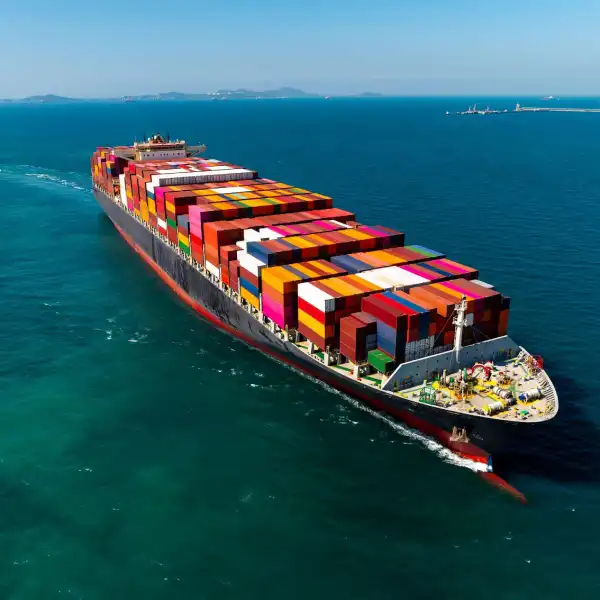
Freight Forwarding Services from Canada to Tunisia
The right shipping solution depends on your cargo, budget, delivery deadline and supplier location. A full container of industrial equipment requires a different approach from a small shipment of spare parts or urgent components.
Mohab Logistics can coordinate the main stages of your shipment, including:
Sea freight: for larger, heavier or less time-sensitive cargo.
FCL container shipping: for shipments requiring a dedicated container.
LCL groupage: for smaller consignments that do not fill a container.
Air freight: for urgent and time-sensitive goods.
Customs clearance coordination: to help prepare shipments for import formalities in Tunisia.
Inland transportation: collection and final delivery arrangements, where included in the agreed service.
Shipping documentation and logistics coordination: to help keep the different stages of your shipment organized.
The aim is to find an option that fits your business needs while helping you anticipate the main transport and destination costs.
Sea Freight from Canada to Tunisia
Sea freight is often a practical choice for businesses importing machinery, industrial equipment, palletized goods and larger commercial orders. The appropriate route depends on the cargo's origin in Canada, available carrier services and destination requirements.
When comparing quotations, look beyond the ocean freight rate. Origin handling, destination charges, customs formalities and inland transportation may also affect your total logistics budget.
FCL Shipping from Canada to Tunisia
Full Container Load (FCL) shipping is suitable when your cargo requires a dedicated container. Depending on availability and cargo specifications, options may include 20-foot and 40-foot containers, including high-cube containers where appropriate.
FCL may be suitable for:
Industrial machinery and production equipment.
Large commercial orders and palletized goods.
Spare parts and manufacturing components.
Regular imports for distributors and wholesalers.
Cargo requiring a dedicated container.
To assess the most suitable option, provide the cargo dimensions, gross weight, packaging details, collection location and delivery address. This information helps determine the container requirements and the services to include in the quotation.
LCL Shipping from Canada to Tunisia
Less than Container Load (LCL) shipping allows businesses to send smaller consignments without booking an entire container. When a suitable groupage service is available, your cargo shares container space with other shipments.
LCL may be worth considering for spare parts, samples, smaller commercial orders and packaged equipment.
The choice between FCL and LCL depends on shipment volume, weight, handling requirements and available consolidation services. Comparing the total cost of each option helps you make a more informed decision.

Air Freight from Canada to Tunisia
When speed matters, air freight can be a suitable option for urgent shipments from Canada to Tunisia. Businesses may use it for replacement parts, technical components, samples, electronics and other time-sensitive goods.
Air freight is generally faster than sea freight but usually costs more. Pricing depends on chargeable weight, package dimensions, cargo characteristics, routing and flight availability.
Mohab Logistics can coordinate the relevant freight arrangements and documentation, together with customs clearance coordination in Tunisia according to the agreed service.
For a tailored assessment, provide the cargo's weight and dimensions, collection address in Canada, cargo-ready date and final delivery address in Tunisia.

Customs Clearance for Imports from Canada to Tunisia
Customs clearance is an important part of importing goods into Tunisia. Missing documents, incorrect product classification or unverified import requirements can create delays and additional costs.
Depending on the goods and applicable regulations, the required documentation may include:
Commercial invoice.
Packing list.
Bill of lading for sea freight or air waybill for air freight.
Certificate of origin, where required.
Import permits, certificates or technical documents, where applicable.
Other documents required for the specific product category.
The exact requirements depend on the goods, customs classification, declared value, origin and current Tunisian regulations. Some products may require specific authorizations or compliance documents before importation.
Before your shipment departs, verify the applicable requirements for your products. Mohab Logistics can coordinate the logistics and customs-clearance process in Tunisia according to the services agreed for your shipment.
What Can You Ship from Canada to Tunisia?
The appropriate transport method depends on the nature of your goods, their dimensions and weight, handling requirements and any applicable import restrictions.
Industrial Machinery and Equipment
Machinery and production equipment may require careful coordination between the supplier, transport provider and receiving business. Heavy or oversized cargo should be assessed individually to determine the appropriate equipment, loading arrangements and delivery requirements.
Spare Parts and Technical Components
Replacement parts can be time-sensitive, particularly when a missing component affects production or business operations. Air freight may be suitable for urgent items, while sea freight can be considered for larger or less urgent shipments.
Commercial Goods and Packaged Products
Importers, wholesalers and distributors may choose FCL or LCL shipping depending on order size and purchasing frequency. Accurate product descriptions, packaging information and commercial documents help prepare cargo for transport and customs formalities.
Electronics and High-Value Goods
Electronics and sensitive products require suitable packaging and handling. The shipping plan should also take into account cargo value, insurance requirements and any product-specific import rules.
Heavy Machinery and Project Cargo
Oversized or heavy industrial cargo may require a dedicated assessment covering dimensions, weight, loading methods, lifting requirements and access at the final destination. These shipments need individual planning rather than a standard container quotation.
Shipping from Major Canadian Cities to Tunisia
The most suitable shipping solution depends on where your cargo is located, whether collection is required and which transport routes are available.
Shipments may originate from locations such as:
Montreal and Quebec: commercial goods, industrial equipment and supplier shipments.
Toronto and Ontario: machinery, electronics, spare parts and manufactured products.
Vancouver and Western Canada: cargo requiring route-specific planning based on origin and available services.
Other Canadian locations: collection and inland transportation can be assessed using the supplier's address.
These are potential shipment origins, not a guarantee of direct service or fixed transit times. The available route, carrier and schedule must be confirmed for each shipment.
From Your Canadian Supplier to Your Destination in Tunisia
A well-planned shipment requires clear responsibilities at every stage. Mohab Logistics can help coordinate the relevant steps according to your chosen transport solution and agreed service.
1. Assess your shipment
Provide the supplier's location, cargo description, quantity, dimensions, weight, packaging and delivery requirements.
2. Select the transport solution
Compare sea freight, FCL, LCL or air freight according to your budget, cargo characteristics and deadline.
3. Coordinate collection and export arrangements
Confirm cargo readiness, packaging, collection requirements and the documents needed for export.
4. Arrange international transportation
Coordinate the selected freight solution based on the confirmed route, carrier availability and cargo requirements.
5. Prepare for customs clearance in Tunisia
Review the applicable documentation and coordinate the customs process according to the agreed service.
6. Organize final delivery
Assess inland transportation and delivery arrangements according to the destination and shipment requirements.
The exact process depends on your Incoterm, the responsibilities agreed with your supplier and the services included in the quotation.

Shipping to Radès, Tunis and Other Destinations in Tunisia
The destination port or airport and final delivery arrangements depend on the available route and the type of cargo.
Mohab Logistics has established operations in Tunisia, including its transit and maritime office in the Radès port area and its air freight operation at Tunis-Carthage cargo terminal.
Depending on the shipment, logistics arrangements may include destination handling, customs-clearance coordination and onward transportation.
When requesting a quotation, specify the final destination, whether it is Tunis, Radès, Sfax, Sousse, Bizerte or another location in Tunisia. This helps determine which destination services need to be included.
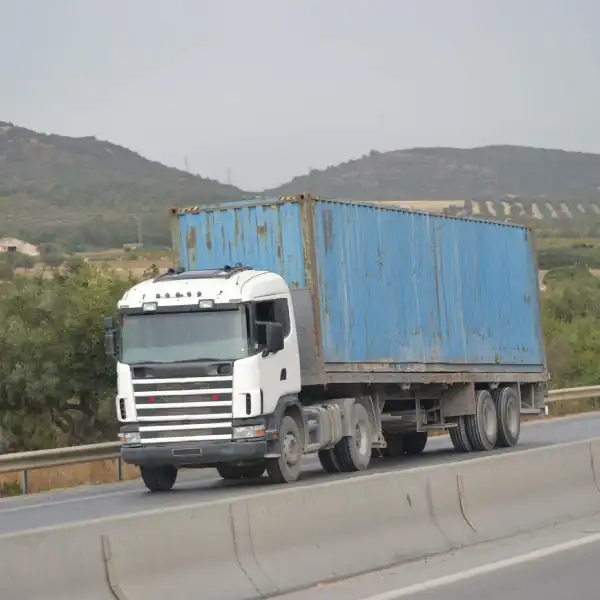
How Much Does Shipping from Canada to Tunisia Cost?
Shipping costs depend on the complete transport arrangement. There is no single rate that applies to every shipment from Canada to Tunisia.
The main factors include:
Collection location in Canada and destination in Tunisia.
Sea freight or air freight.
FCL container size or LCL shipment volume.
Cargo dimensions, gross weight and chargeable weight where applicable.
Type of goods, packaging and special handling requirements.
Incoterm and the division of responsibilities between buyer and seller.
Origin and destination handling charges.
Customs duties, taxes and applicable regulatory fees.
Insurance and inland transportation, if required.
To obtain a useful quotation, provide the supplier's location, delivery address, cargo description, quantity, dimensions, gross weight, packaging details and Incoterm. A commercial invoice or packing list can help clarify the shipment requirements.
A shipment-specific quotation helps you understand the services and charges involved before confirming your booking.
How Long Does Shipping from Canada to Tunisia Take?
Transit time depends on the cargo's origin, transport mode, routing, carrier schedules, transshipment requirements, customs procedures and final delivery arrangements.
Sea freight generally takes longer than air freight and is often considered for larger shipments where transport cost is a priority. Air freight may be preferable for urgent cargo, subject to flight availability and cargo acceptance.
Remember that the overall delivery schedule may also include collection, export formalities, cargo handling, consolidation, customs clearance and inland transportation.
For a realistic estimate, provide the date your cargo will be ready and your target delivery date. The available routing and expected schedule can then be assessed for your shipment.
Canada–Tunisia Shipping and Incoterms
The Incoterm agreed with your Canadian supplier determines how certain transport costs, responsibilities and risks are allocated between the buyer and seller.
Common examples include:
EXW (Ex Works): the buyer generally arranges collection and transportation from the agreed location, subject to the contract terms.
FOB (Free on Board): used for sea and inland-waterway transport; the seller delivers the goods on board the nominated vessel at the agreed port.
CFR (Cost and Freight): the seller pays freight to the named destination port, while risk transfers under the rule when the goods are on board the vessel.
CIF (Cost, Insurance and Freight): similar to CFR, with the seller also arranging the insurance required by the rule.
DAP (Delivered at Place): the seller arranges delivery to the named destination, while the buyer generally handles import clearance and applicable import duties and taxes.
The correct Incoterm depends on your commercial agreement and should specify a named place or port. Confirm the responsibilities with your supplier before booking the shipment.
Why Choose Mohab Logistics for Canada–Tunisia Freight Forwarding?
Choosing a freight forwarder means finding a partner who understands how international transportation, shipping documentation, customs procedures and delivery arrangements fit together.
Mohab Logistics has been operating in international freight forwarding and logistics since 1975, with more than 50 years of experience. Its services cover sea freight, air freight, customs-clearance coordination, warehousing and other logistics requirements in Tunisia.
For businesses importing from Canada, the priority is to select a solution that fits the cargo, supplier location, delivery deadline and budget. Mohab can assess these requirements and coordinate the relevant stages of the shipment within the agreed scope of service.
Whether you are arranging a one-time import or managing regular shipments, clear planning and well-prepared documentation help you make informed decisions and anticipate the logistics involved.
Request a Canada to Tunisia Freight Quote
Planning to ship goods from Canada to Tunisia? Contact Mohab Logistics to discuss your requirements and request a freight quotation tailored to your shipment.
To help us assess your needs, include:
Collection address: supplier city and address in Canada.
Delivery address: final destination in Tunisia.
Cargo description: the type of goods being shipped.
Quantity and packaging: number of packages, pallets or units.
Dimensions and weight: measurements and total gross weight.
Preferred transport mode: sea freight, FCL, LCL or air freight, if known.
Incoterm: EXW, FOB, CFR, CIF, DAP or another agreed term.
Cargo-ready date: when the goods will be available for collection.
If available, attach your commercial invoice and packing list to help clarify the shipment details.
Contact Mohab Logistics to discuss your Canada–Tunisia shipment and identify the right freight forwarding solution for your business.
Contact
FAQ
Sea freight is often suitable for larger or less urgent shipments, while air freight may be preferable for time-sensitive cargo. The right option depends on the cargo's dimensions, weight, delivery deadline, routing and total cost.
The price depends on the origin, destination, cargo dimensions and weight, transport mode, Incoterm and services required. Provide your shipment details to request a tailored quotation.
Transit time varies according to the origin, transport mode, routing, carrier schedules and customs process. Sea freight generally takes longer than air freight. Confirm an estimate for your specific shipment before booking.
Yes. FCL shipping can be considered when your cargo requires a dedicated container. Container size, route, availability and handling requirements must be confirmed for your shipment.
LCL groupage may be suitable for smaller shipments that do not require a full container, subject to available services and the cargo's dimensions and handling requirements.
Mohab Logistics provides logistics services that include customs-clearance coordination. The exact documents, authorizations and formalities depend on the goods and applicable Tunisian regulations.
Typical documents may include a commercial invoice, packing list and bill of lading or air waybill. Depending on the product, additional certificates, permits or technical documents may be required.
Collection can be assessed according to the supplier's location, the agreed Incoterm and the selected transport service. Provide the full pickup address when requesting a quotation.
Final delivery can be assessed as part of the logistics plan. The quotation should specify the delivery address and whether inland transportation, customs clearance and destination charges are included.
Provide the collection and delivery addresses, cargo description, number of packages, dimensions, gross weight, packaging details, Incoterm and cargo-ready date. A commercial invoice or packing list can help improve the accuracy of the quotation.